 LexisTV
 Lexistech Solutions
The Social Contract: Why President Tinubu Says Tax Avoidance Disqualifies Your Civic Rights
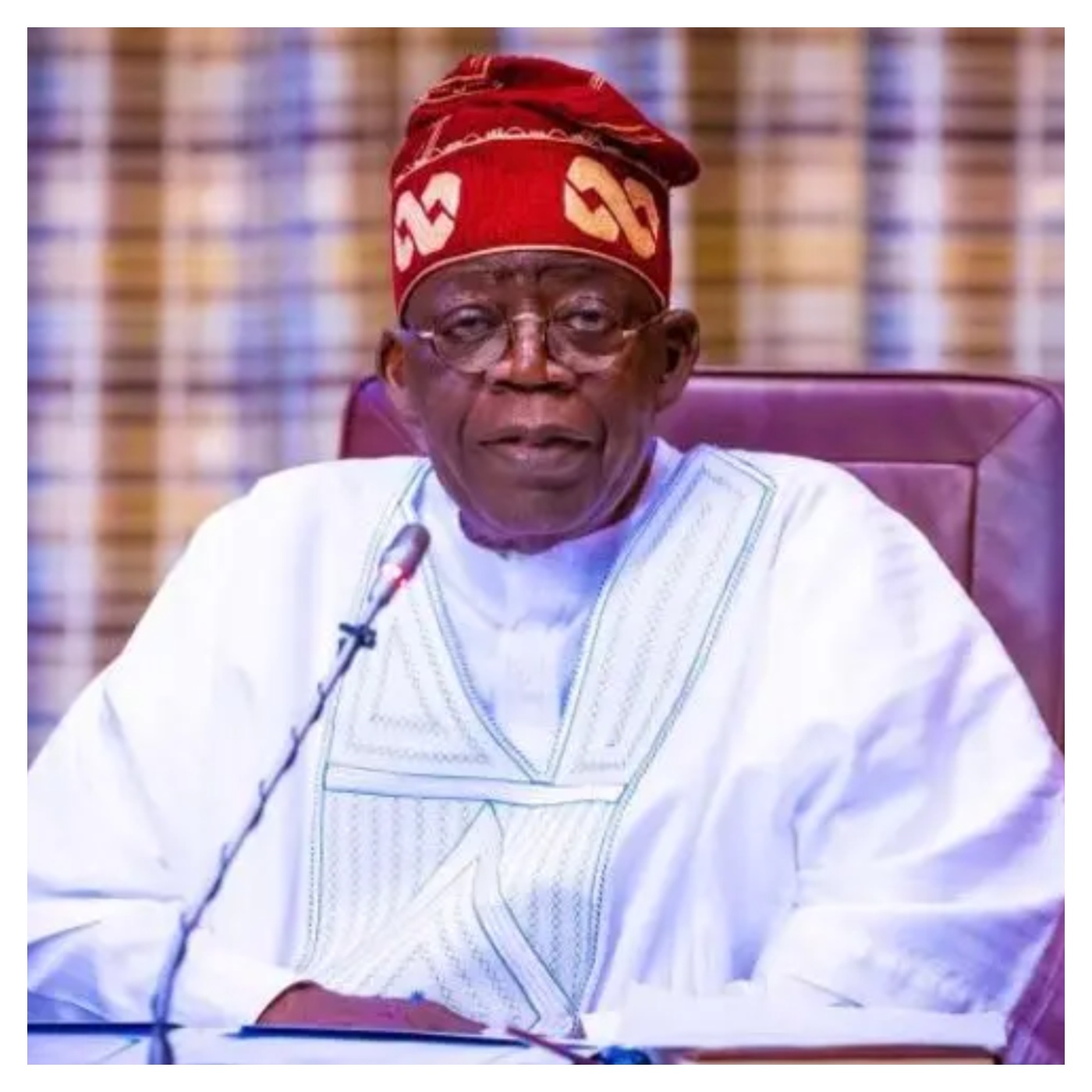
Photo:[Image used for illustrative purpose only]
Imagine demanding that a contractor build your dream house, install premium fittings, and pave a smooth driveway—but refusing to give them a single Naira to buy cement.
That is exactly the paradox President Bola Tinubu addressed at the Africa CEO Forum in Kigali.
In a blunt reality check for the nation, the President reframed the entire conversation around civic duty, stating clearly that if you are not paying your taxes, you are failing to fulfill your obligations as a citizen.
Here is a breakdown of what the President said, why it matters, and what it means for the future of Nigeria’s economic infrastructure.
The "Expectation Gap": Development Without Contribution
It is no secret that Nigerians want better. We want uninterrupted electricity, world-class hospitals, motorable roads, and functioning public schools. But President Tinubu pointed out a glaring systemic issue: everyone wants development, but nobody wants to pay for it.
"You want good roads and well-equipped hospitals, but you don’t want to contribute through taxes. The question is: how do we fund development and secure the future of our children? A citizen who pays tax is a citizen. If you are not paying taxes and not exempted, then you are not fulfilling your obligation." — President Bola Tinubu
For decades, the social contract between the government and the public has been fractured. By tying the very definition of active citizenship to tax compliance, the administration is making it clear that national growth cannot be funded by wishes or endless borrowing—it requires collective internal investment.
Defending the Bitter Pills: Subsidy Removal and FX Unification
Speaking to continental business leaders and policymakers, President Tinubu did not shy away from defending his administration's highly debated economic reforms. He described the removal of the fuel subsidy and the unification of the foreign exchange market as painful but non-negotiable surgeries required to keep the country from financial collapse.
According to the President, the old system was entirely unsustainable:
-
Borrowing from the Future: Nigeria was effectively spending the resources of unborn generations to fund daily fuel consumption.
-
Systemic Failure: The country was spending heavily on fuel subsidies while national refineries sat idle.
-
Fiscal Bankruptcy: Before the reforms, 27 out of Nigeria's 36 states were actively struggling to pay basic worker salaries despite the country’s oil wealth.
"It was necessary to reset and reform the economy," Tinubu noted, comparing the current economic strain to the temporary pangs of childbirth that eventually lead to relief.
Are the Reforms Working?
While acknowledging the deep hardship and public backlash these policies have triggered, the President pointed to early indicators of stabilization:
-
A Predictable Currency: The Naira is beginning to find a more stable, predictable ground, allowing businesses and public institutions to plan effectively without wild currency swings.
-
Redirected Wealth: Funds previously swallowed by "wasteful" subsidy regimes, cross-border smuggling, and document falsification are now being reallocated into direct intervention programs.
-
Targeted Welfare: The savings are actively financing social safety nets, student loan initiatives, and educational support directly aimed at vulnerable households.
The Bottom Line
A country’s tax-to-GDP ratio is the true reflection of its economic maturity. For Nigeria to step away from chronic dependence on volatile oil revenues and foreign debt, domestic tax compliance has to change.
The message from the Africa CEO Forum is clear: True citizenship is participatory. If we want a first-class nation, we can no longer maintain a third-class commitment to funding it.
What are your thoughts?
Do you agree with the President’s stance that tax payment is the ultimate test of citizenship? How can the government better ensure that tax revenues are transparently used for visible infrastructure?
Let’s clear the air in the comments below!










Comments