 LexisTV
 Lexistech Solutions
Cold War Resurfaces: US Moves to Indict 94-Year-Old Raúl Castro Over 1996 Plane Shootdown
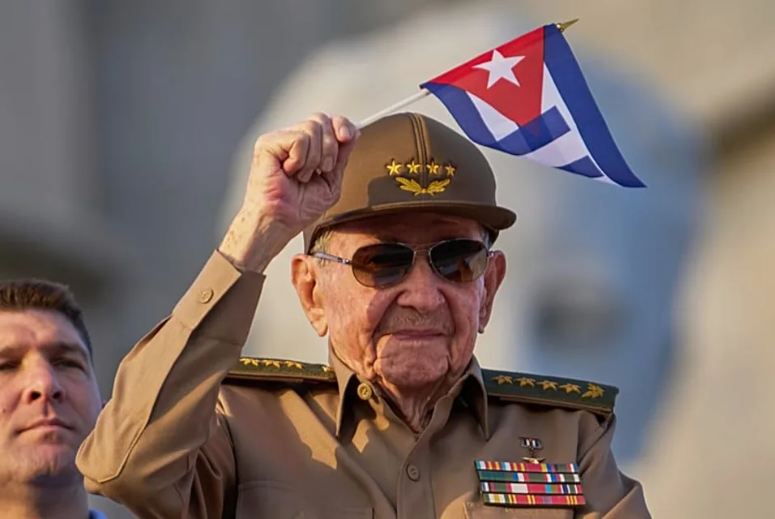
Photo:[Image used for illustrative purpose only]
The geopolitical standoff between the United States and Cuba has just reached its highest boiling point in decades. The U.S. government is actively moving to indict Raúl Castro, the 94-year-old former Cuban President and brother of revolutionary leader Fidel Castro, in connection with a deadly international airspace incident that occurred three decades ago.
The potential indictment, which requires grand jury approval to move forward, focuses on the tragic February 24, 1996, shootdown of two civilian aircraft operated by the Miami-based humanitarian exile group, Brothers to the Rescue.
The 1996 Incident: A Tragic Anniversary
The case centers on an event that permanently scarred U.S.-Cuba relations. Thirty years ago, Cuban MiG fighter jets intercepted and shot down two unarmed Cessna 337 aircraft over international waters in the Florida Straits.
The humanitarian group was known for flying over the region to spot and rescue Cuban rafters fleeing the island. The attack killed four volunteer pilots. While Cuba claimed the planes had violated its sovereign airspace, an international investigation concluded they were shot down in international waters without warning.
Fidel Castro, who passed away in 2016, was Cuba's head of state at the time, while Raúl Castro directly commanded the Cuban Armed Forces.
Maximum Pressure: The De Facto Fuel Blockade
The push for criminal accountability comes as the Trump administration relentlessly tightens the screws on Havana. Seeking to force systemic reforms or what the administration has floated as a "friendly takeover" of the island, the U.S. has imposed a severe energy squeeze.
By threatening massive tariffs on any country exporting oil to Cuba—especially following geopolitical shifts in Venezuela—the U.S. has effectively choked off the island’s fuel supplies. The situation on the ground has become dire, with Cuba facing historic power grid collapses and blackouts lasting up to 22 hours a day.
A High-Stakes Secret Message in Havana
The news of the looming indictment broke just hours after CIA Director John Ratcliffe led a high-level delegation to Havana on May 14.
Ratcliffe met directly with Cuban Interior Ministry officials and Raúl "Raulito" Guillermo Rodríguez Castro—the elder Castro's grandson, head of his security, and a key point of contact between the two nations.
According to U.S. officials, Ratcliffe delivered a blunt message from President Trump: The U.S. is willing to offer $100 million in humanitarian aid and talk economic stability, but only if Cuba agrees to fundamental political changes and ceases to be a safe haven for foreign adversaries.
What Happens Next?
Though Raúl Castro formally stepped down from the leadership of Cuba's Communist Party in 2021, the 94-year-old remains the ultimate power behind the throne in Havana. Moving to indict him as a criminal in a U.S. federal court signals that Washington is no longer interested in standard diplomacy, but is actively pushing for the collapse or surrender of the regime.
Florida lawmakers have loudly cheered the decision, with Florida Governor Ron DeSantis posting a sharp message on social media: "Let 'er rip, it's been a long time coming!"










Comments