 LexisTV
 Lexistech Solutions
Personal chats with ChatGPT could be used as legal evidence � CEO Sam Altman
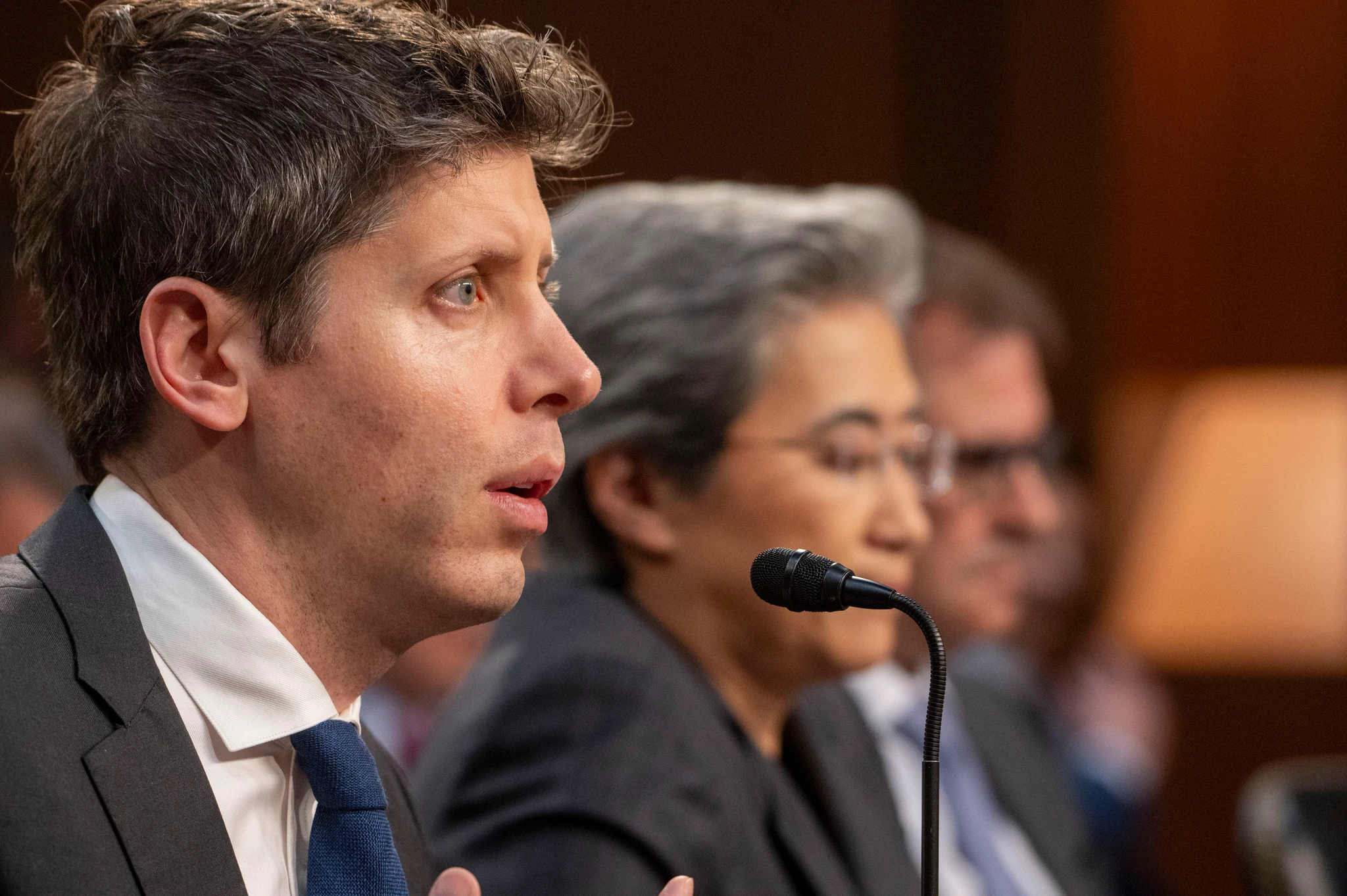
Photo:[Image used for illustrative purpose only]
Sam Altman, CEO of OpenAI, recently issued a stark warning regarding the privacy of conversations held with ChatGPT. He emphasized that, unlike discussions with legal, medical, or mental health professionals, interactions with the AI chatbot are not protected by legal confidentiality. This means that personal information shared with ChatGPT could potentially be compelled for disclosure in legal proceedings.
Why Your ChatGPT Conversations Aren't Confidential
Altman highlighted that many users, particularly younger individuals, are turning to ChatGPT for highly personal matters, treating it as a therapist or life coach for relationship problems. However, existing legal frameworks like doctor-patient or attorney-client privilege do not extend to AI conversations. Altman openly stated that if a lawsuit were to arise, OpenAI could be required to produce these sensitive discussions, a situation he finds concerning.
The Call for "AI Privilege"
To address this gap, Altman advocated for the creation of "AI privilege." This concept would legally safeguard user conversations with AI chatbots in the same way that communications with licensed professionals are protected. He stressed the urgency of this, noting that just a year ago, such implications weren't even a consideration.
Legal Challenges Intensify Privacy Concerns
The issue isn't merely theoretical. OpenAI is currently involved in a copyright lawsuit brought by The New York Times. A US court order, issued on May 13, 2025, and upheld on June 26, has mandated that OpenAI preserve and segregate all ChatGPT output data that would typically be deleted. This means that even conversations users believe they have deleted are now being retained indefinitely and could be exposed in legal disputes.
This order applies to users of ChatGPT Free, Plus, Pro, and Team accounts, with enterprise and educational users being exempt. Altman confirmed that ChatGPT conversations are not encrypted like those on secure messaging platforms. Normally, deleted chats are removed from OpenAI's servers within 30 days, but this court order has halted that process.
What This Means for Users
Privacy advocates are alarmed, pointing to OpenAI's official privacy policy, which states that user data may be shared with third parties, including government authorities, to comply with legal obligations. Until new legal protections are established, users are strongly advised to exercise caution when sharing confidential or legally sensitive information with AI chatbots. For support concerning legal, medical, or mental health issues, experts continue to recommend consulting licensed professionals who are legally bound by confidentiality laws.
While OpenAI has yet to release an official statement regarding Altman's remarks, the discussion around AI privacy is expected to grow as lawmakers and technology leaders consider new regulations to protect users in the age of artificial intelligence










Comments