 LexisTV
 Lexistech Solutions
We Will Bring Back Subsidy After Eliminating Corruption" — Peter Obi Outlines 2027 Vision in Sokoto
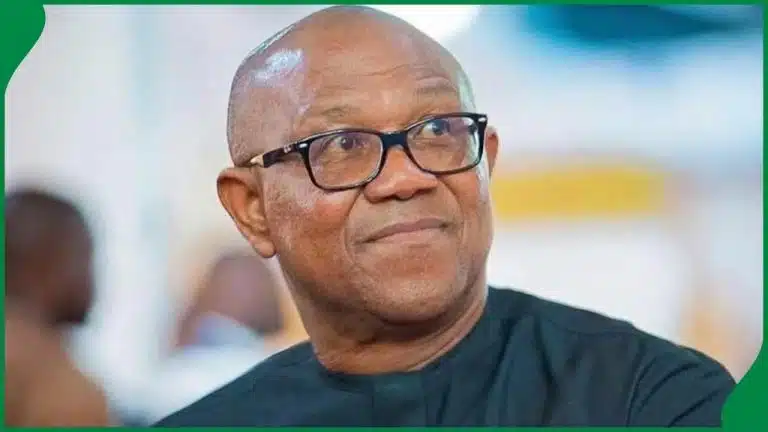
Photo:[Image used for illustrative purpose only]
Peter Obi, the presidential candidate of the Nigeria Democratic Congress (NDC), has pledged to reinstate the petrol fuel subsidy if elected in 2027—promising that his administration will first aggressively dismantle corruption nationwide.
Speaking at a town hall meeting for the Obi/Kwankwaso presidential ticket in Sokoto on Monday, Obi addressed key economic, infrastructure, and security challenges facing the nation.
### "The Real Problem Is Corruption, Not the Subsidy"
Addressing the widespread economic hardship following the removal of fuel subsidies, Obi argued that systemic corruption—rather than the subsidy policy itself—was the primary issue draining national resources.
> *"People are talking about subsidy, but what is all about it is corruption. By removing the corruption, I assure you that we will bring back subsidy,"* Obi declared. *"The problem of Nigeria is corruption, as such, if elected, we will stop all forms of corruption in every sector of the country."*
### Rail Infrastructure, Education, and Security Priorities
Outlining his vision for economic revitalization and regional integration, Obi promised massive investments in national transport infrastructure and social services:
* **State Capital Rail Links:** A commitment to connect all 36 state capitals by railway lines to lower transportation costs, facilitate trade, and boost regional economic activities.
* **Prioritizing Education & Safety:** Declaring education as the administration's top priority alongside national unity and security.
* **Resource Optimization:** Redirecting recovered state resources directly into improving public safety, classroom infrastructure, and economic welfare programs.
### Call for Political Mobilization Ahead of 2027
Urging attendees to vote for NDC candidates across all executive and legislative levels in the upcoming 2027 general elections, Obi framed the movement as a collective effort toward transparent, service-oriented governance.
He emphasized that the NDC remains dedicated to delivering "politics of care and service" to relieve economic pressures on Nigerian families and restore stability across the country.










Comments