 LexisTV
 Lexistech Solutions
2027: Sowore Promises ₦500,000 Minimum Wage and Vows to Restore Fuel Subsidy
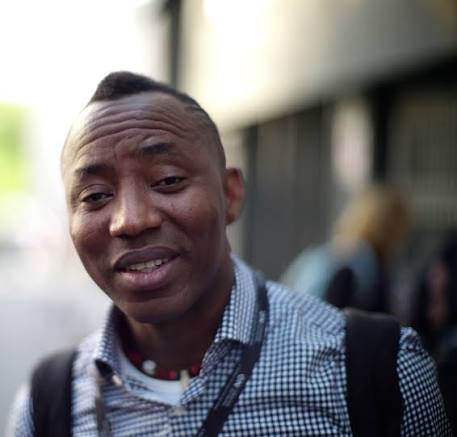
Photo:[Image used for illustrative purpose only]
African Action Congress (AAC) presidential candidate Omoyele Sowore has weighed in on key economic issues ahead of the 2027 general election, pledging to restore the petrol subsidy and implement a ₦500,000 national minimum monthly wage if elected president.
In a statement posted on his official 𝕏 handle on Monday, September 21, 2026, Sowore pushed back against critics questioning the financial feasibility of his proposed wage increase. He insisted that Nigerian workers deserve earnings that reflect the actual cost of living rather than "starvation wages".
Key Highlights from Sowore’s Declaration
-
₦500,000 Monthly Living Wage: Sowore reaffirmed his commitment to establishing a ₦500,000 minimum monthly salary, dismissing statistical counter-arguments from critics. "Attempts to water down our proposal for a N500,000 monthly living wage with funny statistics will not change our position. Under our government, Nigerian workers will earn a minimum wage of at least N500,000 monthly," he wrote.
-
Restoration of Fuel Subsidy: Reversing the current policy, Sowore pledged to reinstate the petrol subsidy to ease energy costs and general living expenses for ordinary citizens.
-
Funding the Plan: In recent interviews outlining his agenda, Sowore argued that the proposed wage bill could be funded by eliminating waste in government, stopping financial leakages, and recovering unpaid oil royalties.
The Growing Subsidy Debate Ahead of 2027
Sowore's policy stance highlights a widening divide among presidential contenders on energy pricing and economic relief:
-
Atiku Abubakar (ADC): Has proposed a targeted "production subsidy" model designed to supply cheaper crude to domestic refineries rather than restoring old import-based pump subsidies.
-
Peter Obi (NDC): Remains opposed to a return to the old blanket fuel subsidy regime, maintaining focus on structural economic management.
-
Seyi Makinde (APM): Has rejected a direct subsidy return, instead advocating for discounted crude pricing for local refiners to naturally bring down retail pump prices.










Comments