 LexisTV
 Lexistech Solutions
My Biggest Business Mistake": Aliko Dangote Shares Lesson From the Collapse of His Textile Empire
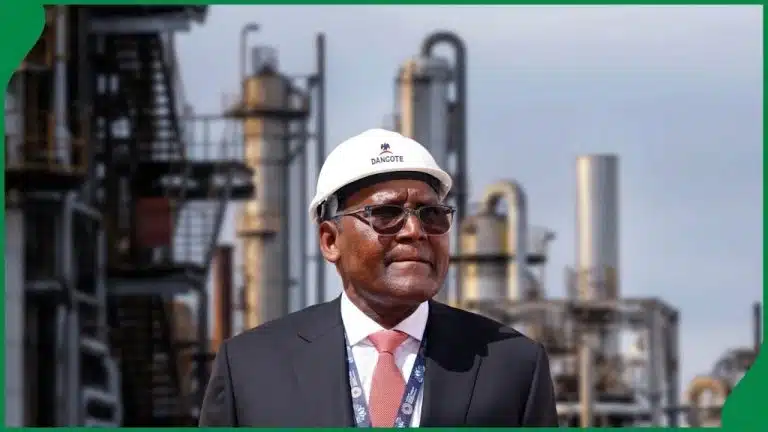
Photo:[Image used for illustrative purpose only]
**"My Biggest Business Mistake": Aliko Dangote Shares Lesson From the Collapse of His Textile Empire**
African billionaire and industrialist Aliko Dangote has opened up about his single biggest business misstep, revealing that his venture into the Nigerian textile industry turned out to be his most painful commercial setback.
Speaking in an interview on *Arise Television*, the business mogul reflected on the structural vulnerabilities and external shocks that ultimately forced his company to shutter its textile operations.
---
**Why the Venture Failed**
* **Foreign Dumping:** Dangote explained that local manufacturing was completely overwhelmed by cheap, mass-produced imported goods dumped onto the market from countries like China and India.
* **Weak Policy Safeguards:** Insufficient government protection and inadequate policy enforcement left domestic textile producers unable to compete with lower-cost foreign imports.
* **Mass Job Losses:** The collapse had a devastating human cost. Over **8,000 workers were laid off** across his textile operations, including **6,920 employees** at the Nigerian Textile Mills in Ikeja, Lagos alone.
---
> *"My biggest business mistake was textiles. We were swamped by Chinese dumping and Indian dumping. So eventually we had to close down. We laid off a total of almost 8,000 workers, 6,920 workers from Nigerian Textile Mills here in Ikeja alone."*
> — **Aliko Dangote**
---
**The Strategic Takeaway**
Dangote noted that the failure of his textile enterprise fundamentally reshaped his long-term investment strategy. The experience taught him a crucial lesson about industrial sustainability: every future business model must be resilient enough to survive market pressures independently, even if government policy protections or import tariffs are eventually removed.
His reflections arrive at a time when local manufacturers and industrial stakeholders continue to call for stronger border controls and protective economic policies to safeguard domestic manufacturing across Africa.










Comments