 LexisTV
 Lexistech Solutions
IGP Cannot Stop Nigerians From Recording Police Officers –
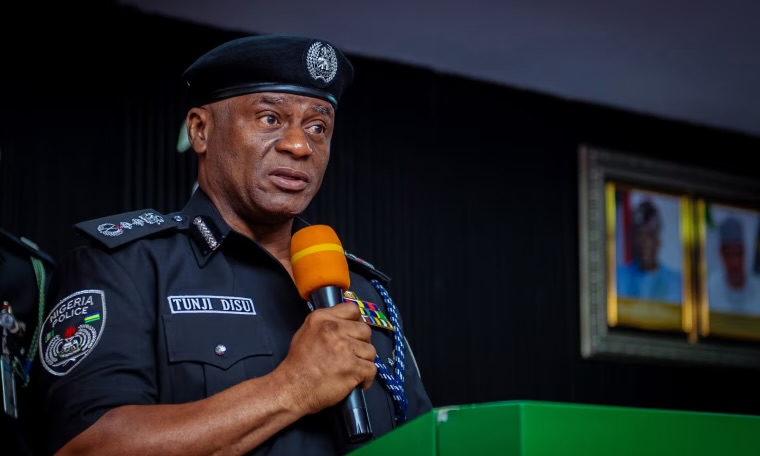
Photo:[Image used for illustrative purpose only]
**"If You Have Nothing to Hide, Why Fear the Camera?" The Debate Over Filming Police Officers**
The ongoing debate around filming police officers in Nigeria highlights a delicate balance between public accountability and personal safety. While citizens increasingly rely on smartphone cameras to document official misconduct, experts warn that pulling out a phone in front of an aggressive officer can quickly turn dangerous.
**The Argument for Accountability**
At its core, public recording acts as a mirror. When officers perform their duties with integrity, video evidence works in their favor, showcasing professional behavior and building public trust.
As security expert Ojo points out, honest officers have little reason to fear being filmed: *"If what you are doing is good, it is even good for you. They should record you and let the whole world know that this is a very good police officer."*
Legal expert Olagunju echoes this sentiment, noting that while the Inspector General of Police (IGP) may hold valid concerns regarding officer safety and privacy, transparency must remain a priority. Recording public officials who neglect or abuse their duties provides indispensable evidence to hold wrongdoing accountable.
**The Danger of Escalation**
Despite the clear benefits to accountability, recording interactions carries inherent risks. An officer who realizes their misconduct is being caught on camera—and fears losing their job or facing disciplinary action—may react unpredictably or violently.
*"I have seen cases where police officers, upon discovering that they were being recorded, got angry and decided to do the unthinkable and the unspeakable,"* Ojo warned. In high-tension moments, officers may attempt to seize devices, destroy evidence, or physically harm the person holding the phone.
This extreme reaction, experts suggest, may explain why the IGP has previously cautioned the public against recording police personnel.
**Balancing Safety with Civic Duty**
While documenting injustice is valuable, personal safety should always be the top priority. Experts advise citizens to evaluate their immediate surroundings before deciding to record:
* **Assess the Risk:** Read the officer's demeanor and the atmosphere of the interaction.
* **Use Situational Awareness:** If recording puts your physical safety in immediate danger, prioritize removing yourself from harm's way.
* **Prioritize Safety Over Footage:** As Ojo emphasizes, *"Is it safe to record? If it is safe to record, go ahead and record. If it is not safe... I will advise you not to record, because if you are caught, anything can happen."*










Comments