 LexisTV
 Lexistech Solutions
Mystery Deepens: Ebonyi Ministry of Justice Pushes for Autopsy in Mary Habila's Death
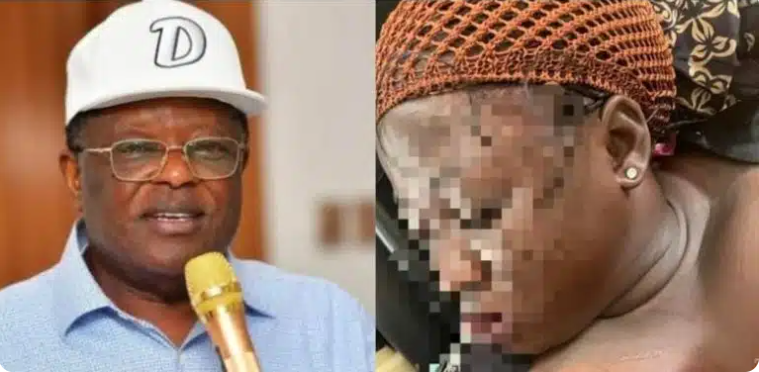
Photo:[Image used for illustrative purpose only]
The sudden and tragic passing of 26-year-old Mary Habila at the Uburu residence of Nigeria’s Minister of Works, David Umahi, continues to generate widespread public scrutiny. As investigators struggle to piece together her final hours, the Ebonyi State Ministry of Justice has officially stepped in, recommending a comprehensive post-mortem examination to uncover the truth.
The Legal Advice: Why an Autopsy is Crucial
In a legal advice document dated July 15, 2026, the Director of Public Prosecutions (DPP) addressed the Deputy Commissioner of Police (State CID), stating that the current evidence is simply not enough to close the case.
According to the DPP, Habila was found alone and unresponsive in her apartment. Crucially, investigators found zero evidence suggesting she had been battling any medical condition prior to her death.
"There was no evidence that the deceased was indisposed, sick or unstable health-wise prior to her sudden death, as she was full of life at the time she returned to Uburu in company of her team," the legal document noted.
Because she had no known medical history that could explain a sudden collapse, the Ministry firmly believes science must provide the answers. The DPP stated that resolving the "curiosity under the law" through a post-mortem is the only way to give police a clear investigative direction.
A Timeline of the Tragedy
While many questions remain unanswered, here is what has been established so far regarding Habila's final days:
-
June 26, 2026: Mary Habila reportedly arrives at Minister David Umahi’s Uburu residence alongside another woman, identified as Anita Baski.
-
June 27, 2026: The following morning, Habila is found completely unresponsive in her apartment.
-
Initial Action: The incident is reported to the Ohaozara Divisional Police Headquarters before being escalated to the State Criminal Investigation Department (CID).
The Autopsy Dilemma: Family Wishes vs. Police Investigation
The push for an autopsy has created a delicate standoff between legal protocols and the grieving family's wishes.
Habila’s father, Baba Habila, recently visited an Ebonyi morgue to claim his daughter's remains for a planned burial in Nok, Kaduna State. Reports indicate that the family has declined to request an autopsy and prefers to proceed with laying her to rest.
In response to this, the Ministry of Justice has informed the police that they are at a crossroads. The authorities can either:
-
Invoke their discretionary, statutory powers to order the post-mortem examination regardless of the family's stance.
-
Respect the family’s request and release the body for burial without determining the exact scientific cause of death.
As of now, the body has not been released while investigators weigh the Ministry's recommendation.
Minister Umahi’s Stance and Lingering Questions
Minister David Umahi has publicly confirmed that Habila died at his residence. He described the 26-year-old as a physiotherapist who was seconded from the David Umahi Federal University of Health Sciences to the Federal Ministry of Works. Furthermore, Umahi stated that he personally encouraged the grieving family to consent to an autopsy to clear up the circumstances surrounding her death.
However, investigative journalists at SaharaReporters have cited unnamed police sources who are allegedly questioning the official employment narrative. Investigators are reportedly digging deeper into the exact nature of the relationship between Habila, the university, and the Ministry of Works.










Comments