 LexisTV
 Lexistech Solutions
Flood Alert: NiHSA Names 14 Nigerian States Facing Imminent Risks This July
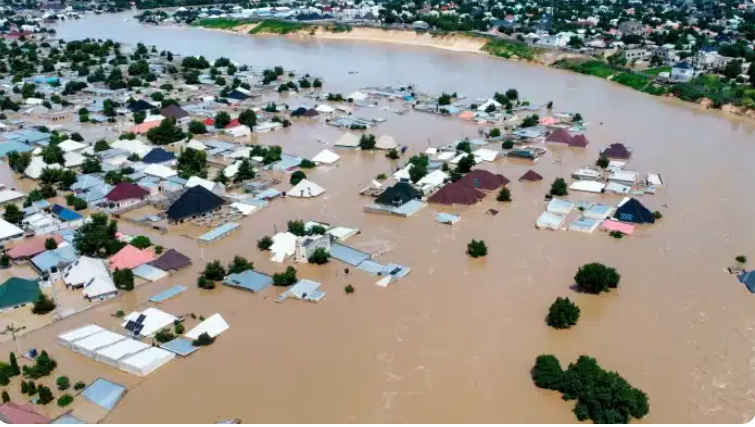
Photo:[Image used for illustrative purpose only]
The rainy season is in full swing, and while the cooler weather is a welcome relief, it comes with a familiar, less-welcome guest: rising water levels.
The Nigeria Hydrological Services Agency (NiHSA) has issued an urgent flood advisory, warning that 14 states are at a medium risk of experiencing severe inland flooding. If you live in any of these areas, now is the time to pay attention and prepare.
Are You on the List? The 14 Affected States
According to the latest hydrological forecast, the window of highest risk spans from July 14 to July 20, 2026. Heavy rainfall is expected to trigger rising water channels across the country.
Here are the states currently on red alert:
-
North & Middle Belt: Adamawa, Bauchi, Benue, Borno, Kaduna, Niger, Plateau
-
East & South-South: Anambra, Enugu, Imo, Akwa Ibom, Cross River, Edo
-
West: Lagos
Important Note: NiHSA has also classified 16 hydrological monitoring stations across the country as "high-risk" locations, meaning water levels in these spots are rising fast.
What’s at Stake?
This isn't just about waterlogged streets. NiHSA's Director-General, Arc. Umar Mohammed, warned that if proactive measures aren't taken immediately, the flooding could severely impact:
-
Critical Infrastructure: Schools, healthcare facilities, and local markets.
-
Livelihoods: Farmlands and small businesses operating near river channels.
-
Public Safety: Potential displacement of residents and loss of property.
NiHSA publishes its Annual Flood Outlook at the start of every year specifically to prevent these situations from turning into disasters. The goal is simple: early warning equals early preparation.
Time to Act: What Needs to Happen Now
We can't stop the rain, but we can absolutely control how we prepare for it. Here is what NiHSA is urging authorities and residents to do immediately:
For State & Local Governments:
-
Clear the Drains: Ensure drainage systems and waterways are free of debris to allow water to flow freely.
-
Activate Emergency Plans: State Emergency Management Agencies (SEMAs) need to prep temporary shelters and evacuation routes.
-
Spread the Word: Collaborate with local leaders to sensitize communities in high-risk zones.
For Residents:
-
Stay Informed: Keep an eye on local weather reports and water levels in your area.
-
Clear Your Gutters: Don't wait for the local government—keeping your immediate surroundings clear of trash can prevent localized flash flooding.
-
Have an Exit Strategy: If you live very close to a major river channel or in a historically flood-prone area, have a bag packed with essentials (documents, medicine, dry food) just in case you need to move to higher ground quickly.
Stay safe, stay prepared, and let’s look out for one another.










Comments