 LexisTV
 Lexistech Solutions
Understanding Your Resting Heart Rate: What the Numbers on Your Smartwatch Really Mean
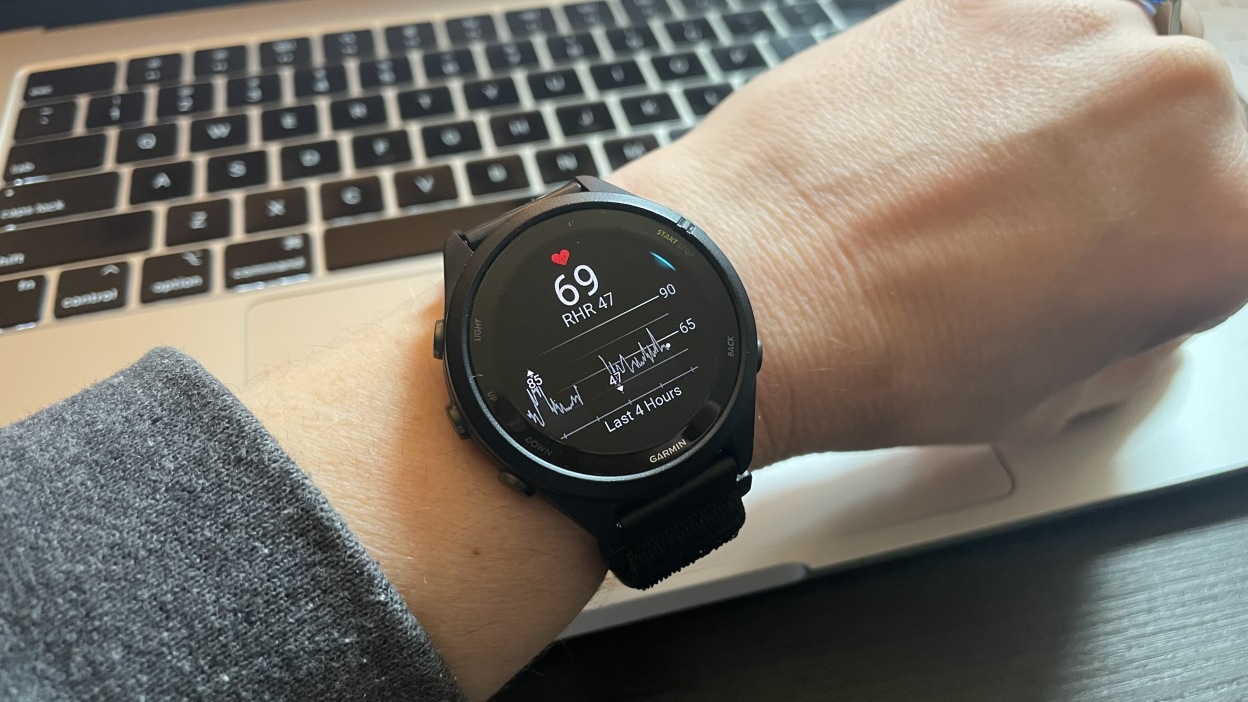
Photo:[Image used for illustrative purpose only]
Our hearts beat faster when we exercise, which is why heart-rate training is a staple for athletes. But when we are sitting completely still or asleep, our heart rate can be just as telling.
Most modern wearables—from smart rings to advanced tracking watches—constantly report your Resting Heart Rate (RHR). While having 24/7 access to this health indicator is incredible, it also leads to a lot of confusion and unnecessary comparison. Here is a realistic look at what your RHR numbers actually mean and how to interpret them without getting caught up in the digital noise.
What is a Globally "Normal" Heart Rate?
If you consult a medical professional, they will typically tell you that a normal resting heart rate sits between 60 and 100 beats per minute (bpm).
However, it is crucial to recognize that this standard baseline isn't meant to perfectly align with the numbers you see on commercial health trackers. The clinical 60-to-100 bpm range is built around patients sitting quietly in a healthcare setting—where they are fully awake, and potentially experiencing a slight spike in blood pressure from being in a doctor's office.
Your smart wearable captures metrics across much more intimate windows, especially while you sleep. Data reveals a distinctly different baseline for tracker users:
[Clinical Baseline]       60 – 100 bpm (Awake, measured in-clinic)
[Whoop Female Average]    59 bpm
[Whoop Male Average]      55 bpm
[Oura Member Average]     50 – 60 bpm
Why Wearable Benchmarks Lean Lower
It’s easy to feel anxious if your RHR doesn’t sit in the low 50s like the population averages published by major wearable brands. Keep in mind that platforms like Oura and Whoop inherently attract athletes, fitness enthusiasts, and highly health-conscious individuals. Because their user bases skew toward higher physical conditioning, their averages lean naturally lower than the general population. Missing those lower markers doesn't automatically imply a fitness deficit.
When a Lower RHR Is (and Isn't) Better
Generally speaking, a lower resting heart rate is a strong indicator of robust cardiovascular fitness. As you improve your aerobic capacity, your heart muscle becomes stronger and pumps a greater volume of blood with each contraction, meaning it has to beat less frequently to sustain you. Watching your baseline RHR decrease over a multi-month fitness regime is a fantastic sign that your training is working.
However, a sudden day-to-day fluctuation tells a completely different, short-term story. If your RHR suddenly spikes a few beats higher than your personal average, your body is likely flagging an acute stressor:
-
Systemic Fatigue: You are mentally stressed or physically exhausted from successive high-intensity workouts.
-
Hormonal Fluctuations: You are moving through the follicular phase of a menstrual cycle.
-
Immune Response: Your body is fighting off an oncoming illness before you even show physical symptoms.
-
Chemical Alterations: You’ve taken medication that influences cardiac output, such as stimulants, pre-workouts, or decongestants.
-
Sleep Disturbances: Your sleep architecture was disrupted—often caused by a late-night heavy meal, room temperature issues, or consuming alcohol before bed.
Tracking your RHR alongside your Heart Rate Variability (HRV) is incredibly useful for gauging physical recovery. A brief spike is perfectly fine, provided it stabilizes within a few days. However, an RHR that stays elevated for weeks at a time is a clear nudge to step back, re-evaluate your lifestyle stressors, and consult a professional if you feel something is off.
Why Cross-Device Comparisons Fail
As tempting as it is to compare your health scores with your training partners, treating RHR as a metric to win is completely counterproductive. Human biology varies naturally. Just as genetics dictate height and metabolic rate, they also dictate a naturally higher or lower baseline heart rate, completely independent of lifestyle choices.
                  ┌──────────────────────────────┐
                  │   WHY RAW RHR NUMBERS VARY   │
                  └──────────────┬───────────────┘
                                 │
         ┌───────────────────────┼───────────────────────┐
         ▼                       ▼                       ▼
   Body Dimensions              Age              Hardware Variances
Smaller statures naturally  RHR fluctuates in   Different brands use
require faster heart rates  early adulthood and unique proprietary
to pump blood efficiently.  levels out later.   filtering algorithms.
Furthermore, the physical device on your wrist introduces its own variables. Testing multiple devices simultaneously proves that cross-brand data is inherently noisy. A standard Fitbit tracker might record a sleeping RHR that is up to 10 beats higher than an Oura ring on the exact same night, while Garmin, Whoop, and Apple Watch models will frequently land somewhere in the middle. Every company relies on its own proprietary algorithm to filter out movement and calculate the final number.
The Strategic Balance
The absolute best way to utilize resting heart rate data is to focus entirely on your own internal trends.
Don't panic over a single night of bad data or obsess because your numbers don't match a friend's. Look for long-term progress: if your baseline is gradually tapering downward over months of consistent movement, your cardiovascular health is moving in the right direction. Use daily fluctuations as an objective guide to adjust your sleep, hydration, and training load—and always prioritize how your body actually feels over a score on a screen.










Comments